Introduction
This is a follow-up to my previous post. As a final-year engineering student graduating from BCIT, I had the opportunity to work on an industry-sponsored capstone project, where we collaborate with real companies to solve real engineering problems.
Our team partnered with Level5Fleet Corp. to design a bridge device that interfaces with a diesel truck’s ECU to read and parse key parameters such as ignition status, speed, and RPM, and transmit this data to the Hub via BLE, after which it is uploaded to AWS. This functionality defines the Listen Mode, in which the device is mounted in the truck’s cabin and connected to the SAE J1939 connector. The same hardware platform also supports a second mode of operation: Control Mode, where the device is mounted on the trailer and provides power to, and serves as a communication link for an electronic brake chamber.
Perfboard Prototype
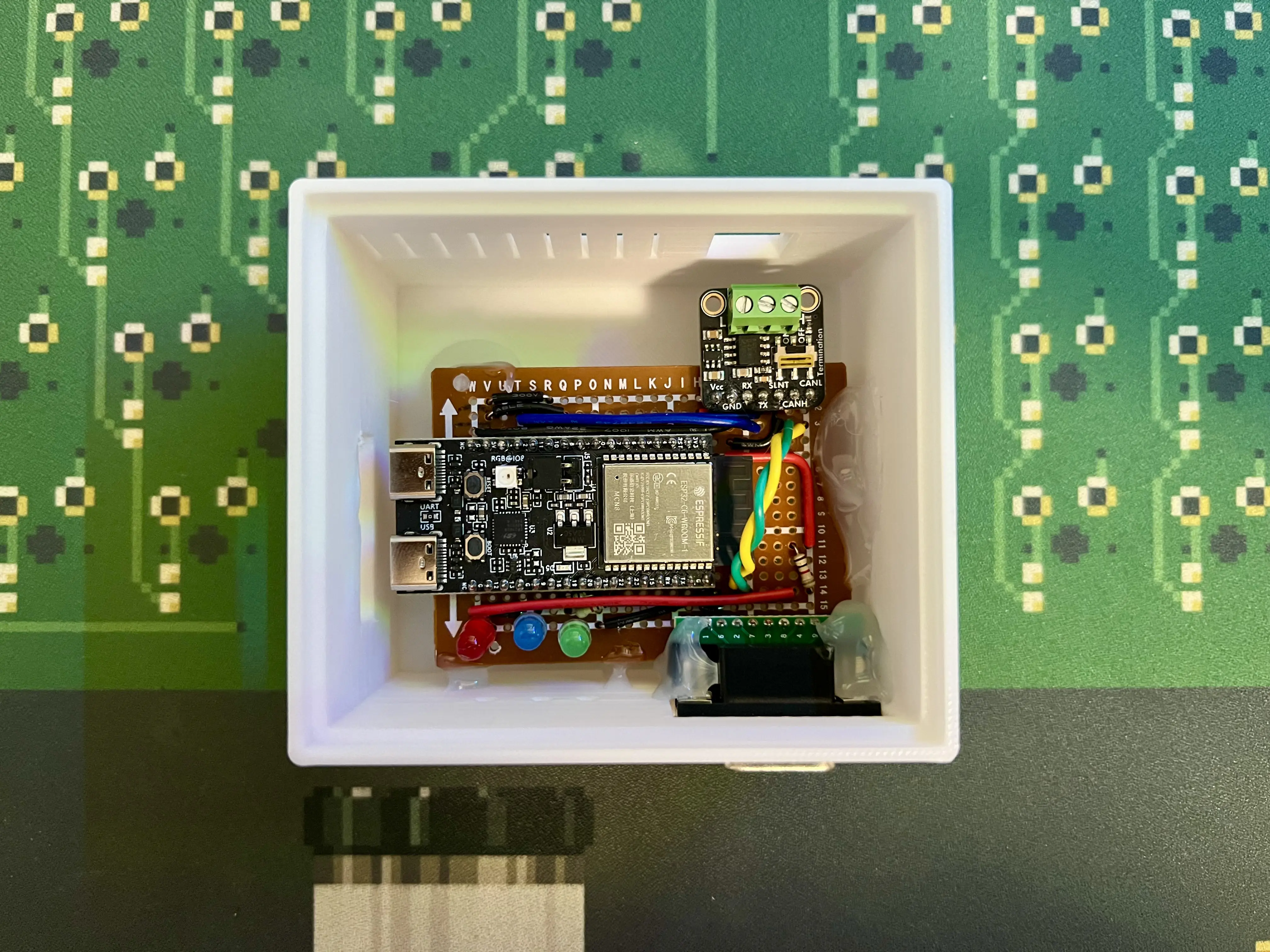
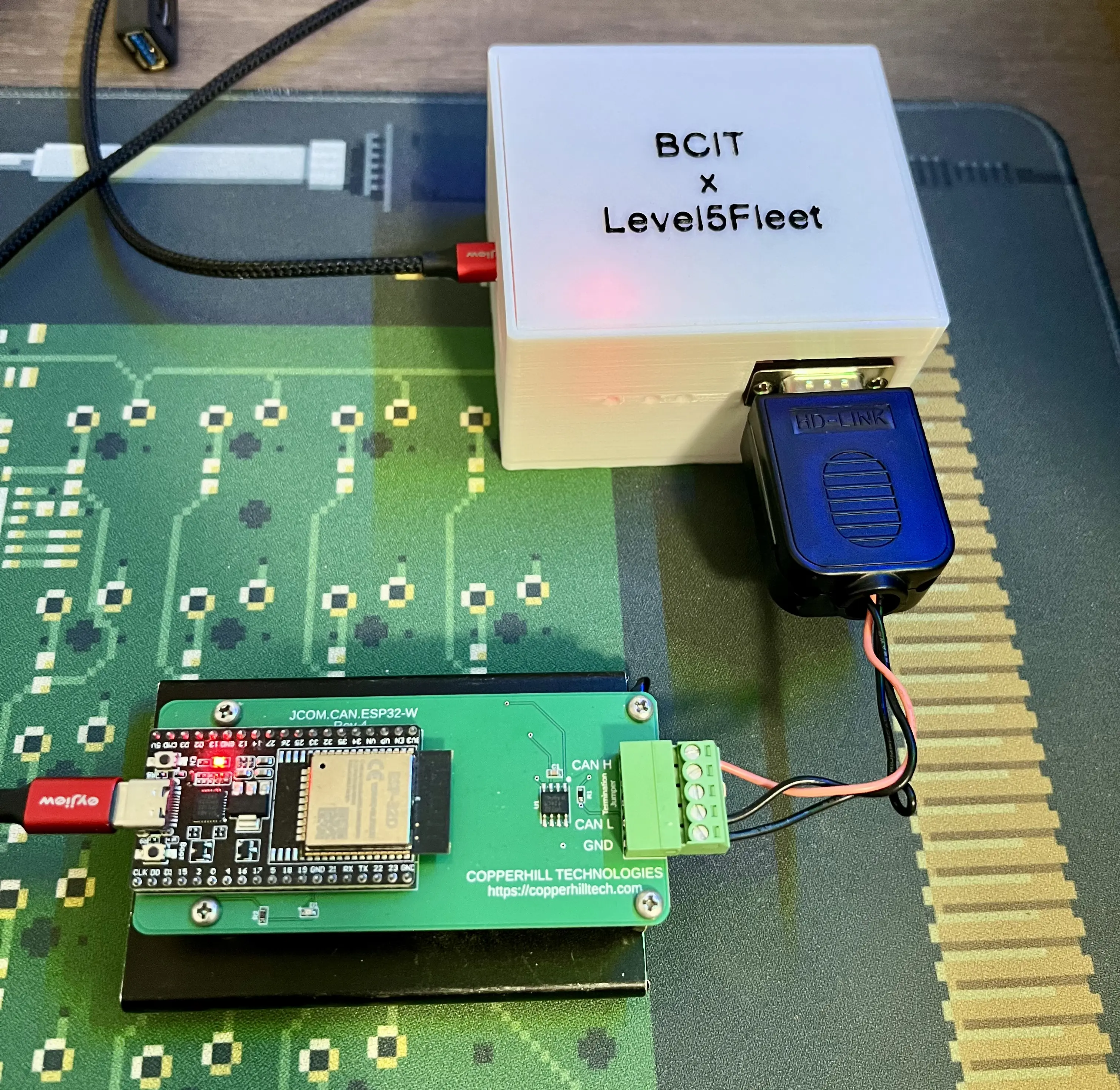
Before committing to a custom PCB, we assembled the system on a perfboard prototype. This allowed us to validate our hardware design while simultaneously developing the firmware, without waiting for PCB fabrication.
During this stage, we focused on bringing up each subsystem individually before integrating them into a complete system. We verified communication with the truck’s ECU over the SAE J1939 CAN bus, established Bluetooth Low Energy (BLE) connectivity with the Admiral Hub, and implemented the core firmware responsible for reading, parsing, and transmitting vehicle data.
Final Prototype
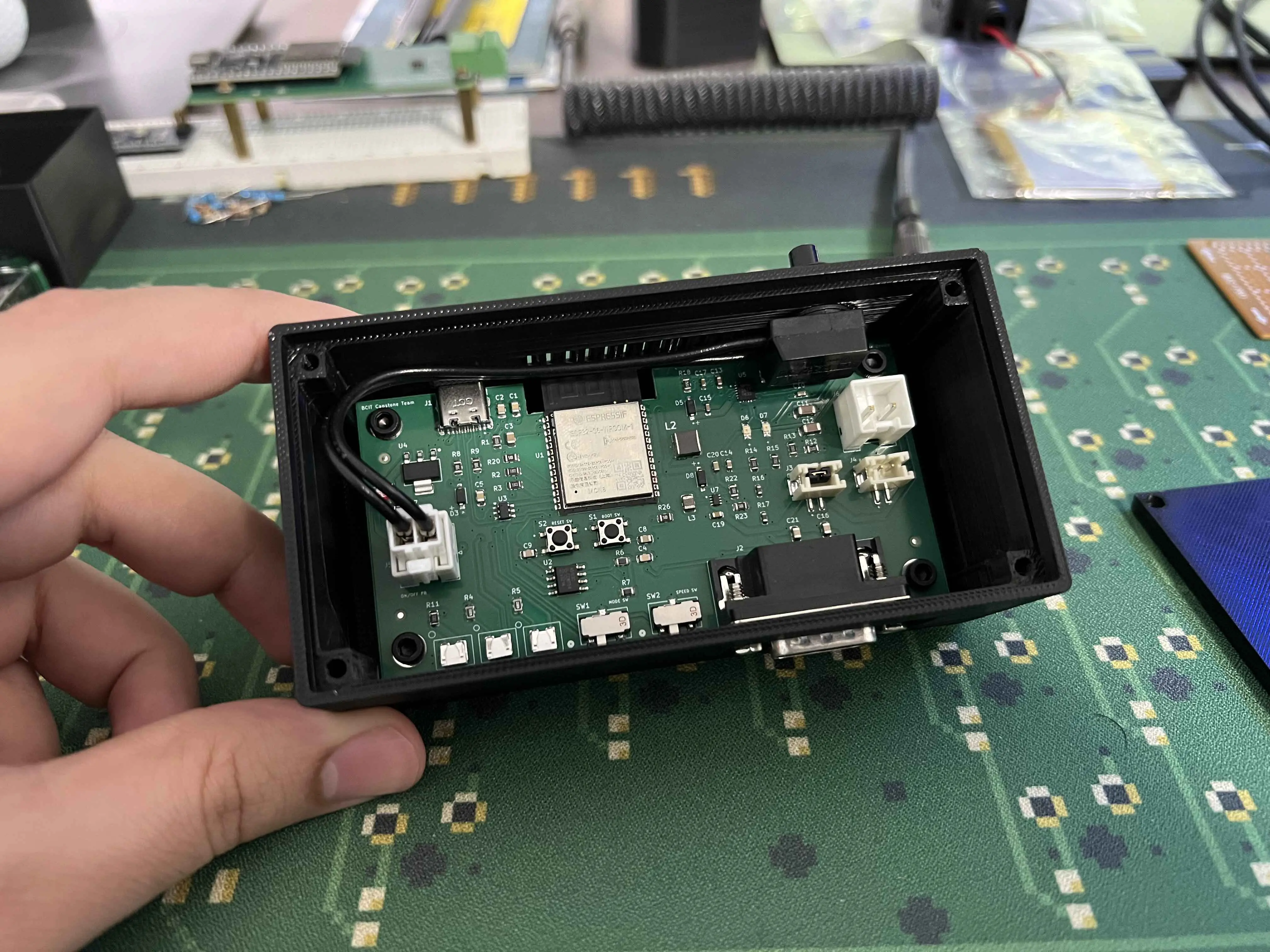
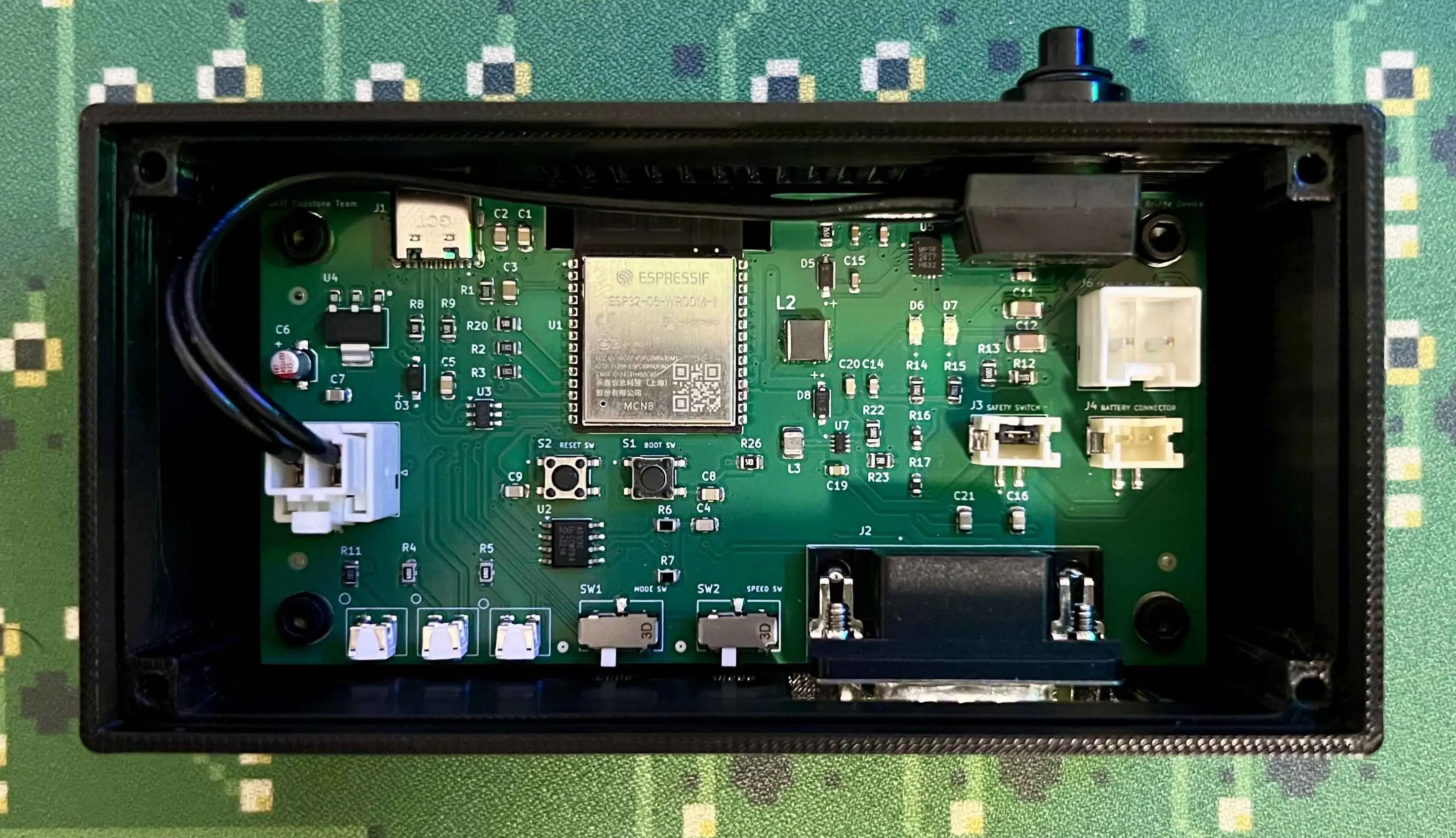
With the firmware stable and the prototype tested, it was time to transition to a custom PCB. We finalized the parts and components and proceeded with the custom PCB design. The PCB was designed in KiCad; manufactured and assembled by PCBWay.
After performing initial bring-up, we repeated the same validation process used during prototyping to verify power delivery, CAN communication, BLE functionality, and overall system stability.
Seeing the firmware run successfully on the custom hardware was especially rewarding. Months of schematic design, PCB layout, firmware development, and testing had finally converged into a fully functional device. While there were still refinements to make before the final demonstration, this was the moment the project truly began to feel complete.
Grafana Dashboard
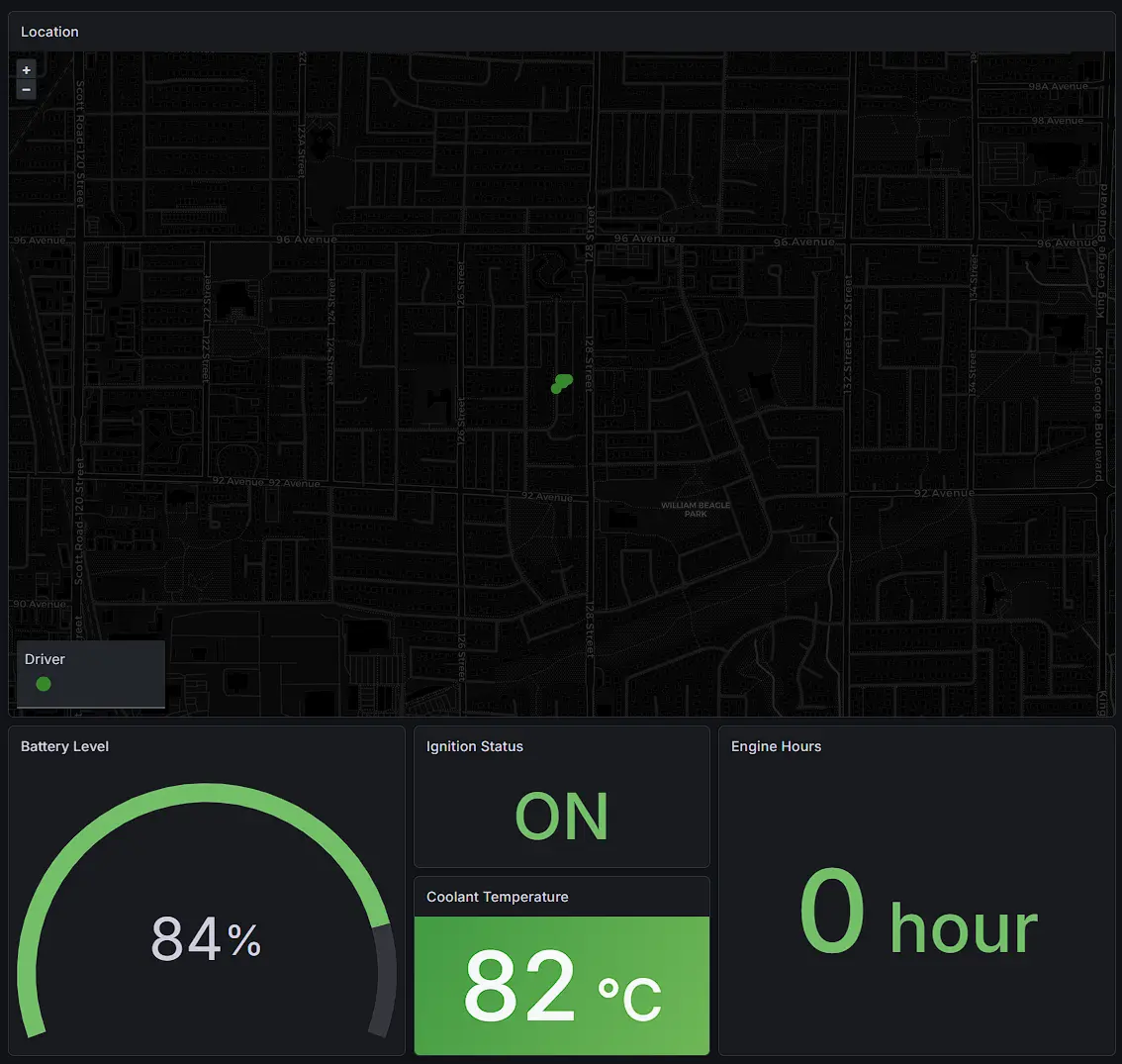
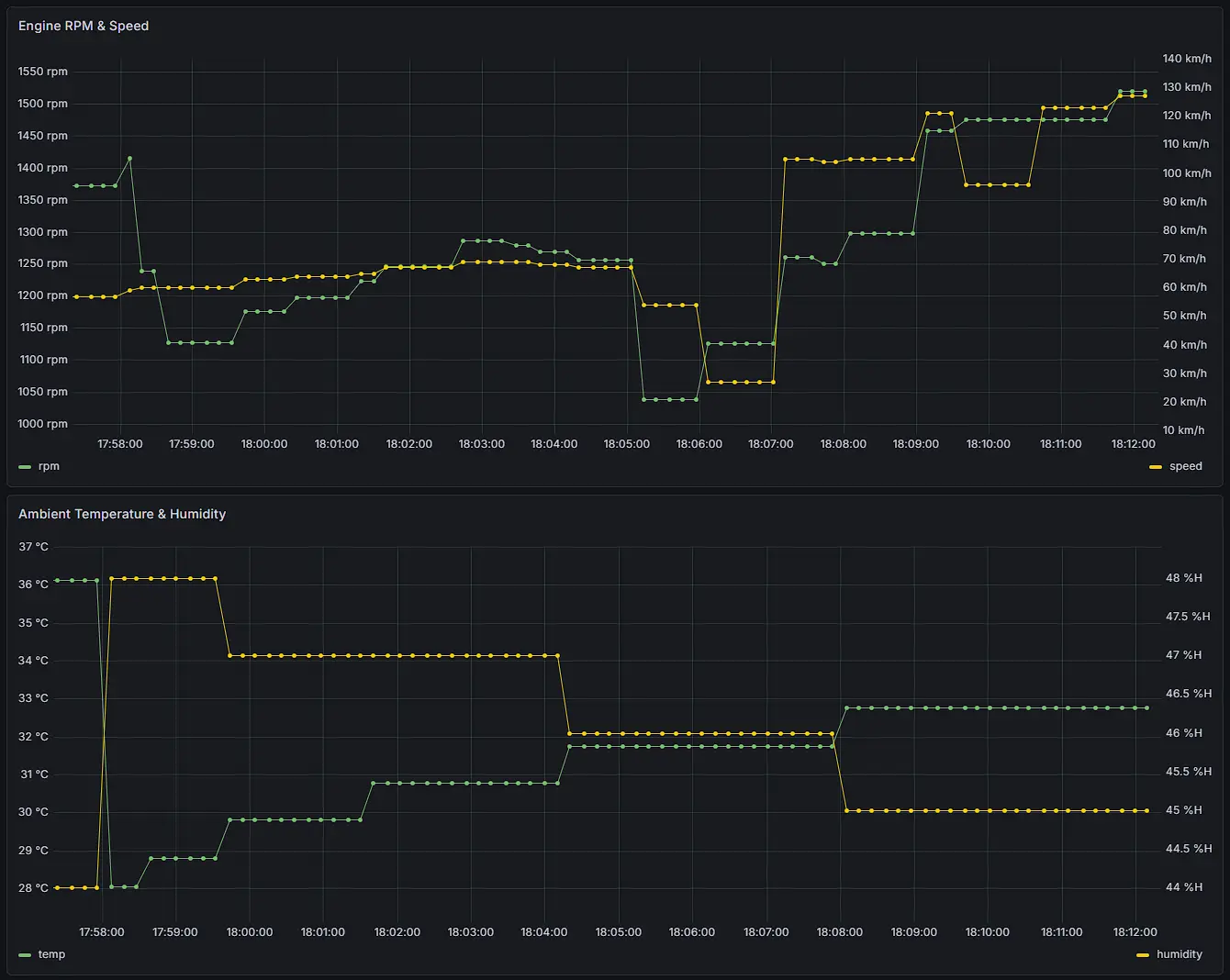
Once the device was reliably streaming vehicle data to AWS, the next step was making that data usable. Raw telemetry on its own is not particularly meaningful, so we built a Grafana dashboard to visualize what the system was actually doing in real time.
Control Mode
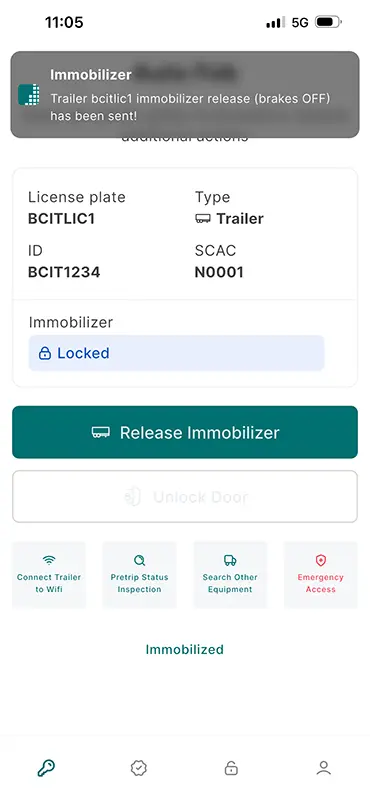
In parallel with Listen Mode, we also designed the system to support a second operating mode called Control Mode. This mode was intended to interface with an electronic brake chamber mounted on the trailer, providing both power delivery and a communication link for control signals.
The underlying hardware and firmware were built with this capability in mind, and the system was designed for the required specifications. However, the electronic brake chamber itself was being developed as part of a separate capstone project at UBC, and the prototype was not available in time for our Engineering Expo. As a result, we were unable to demonstrate it during the final presentation.
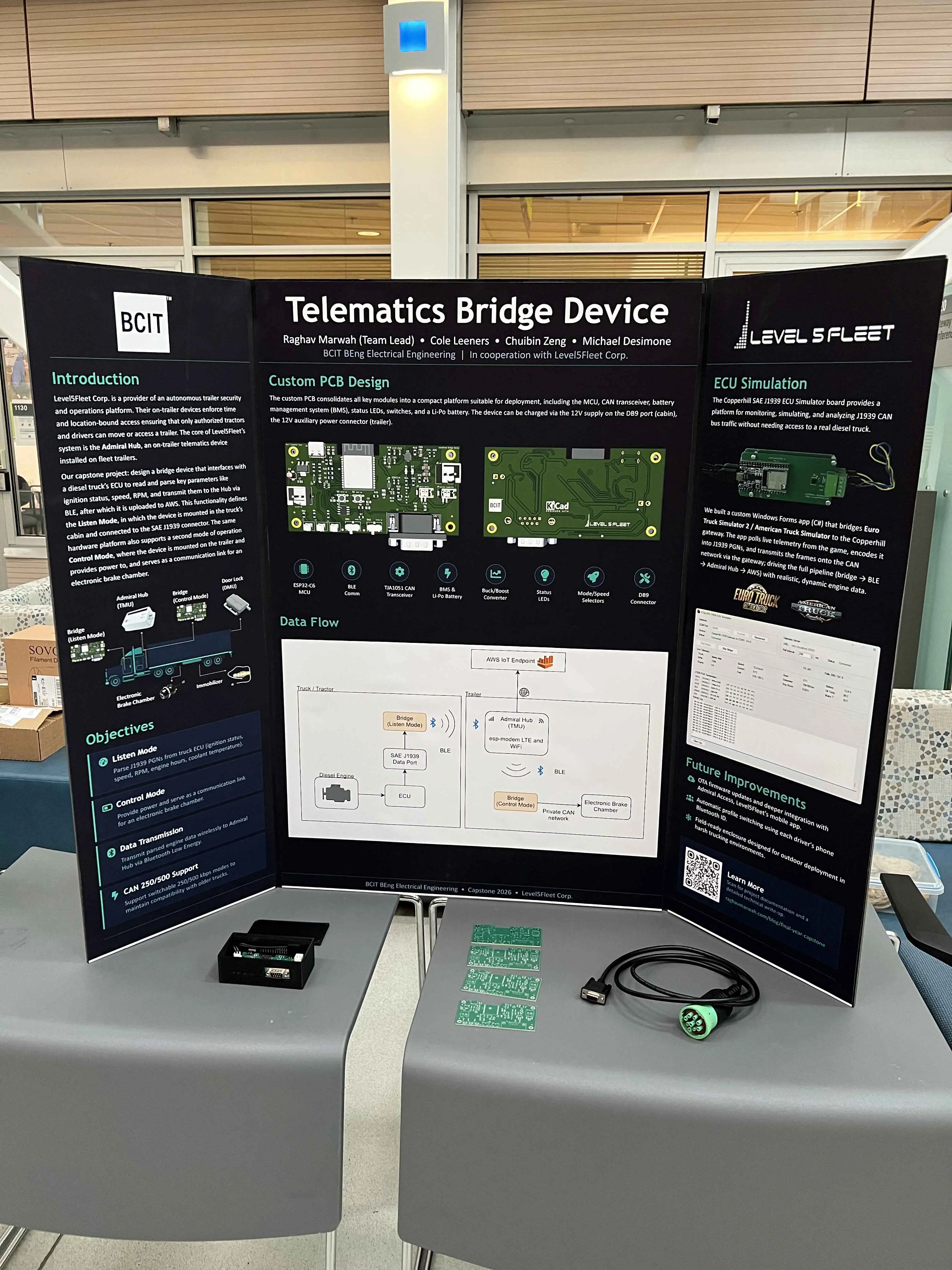
Project Poster
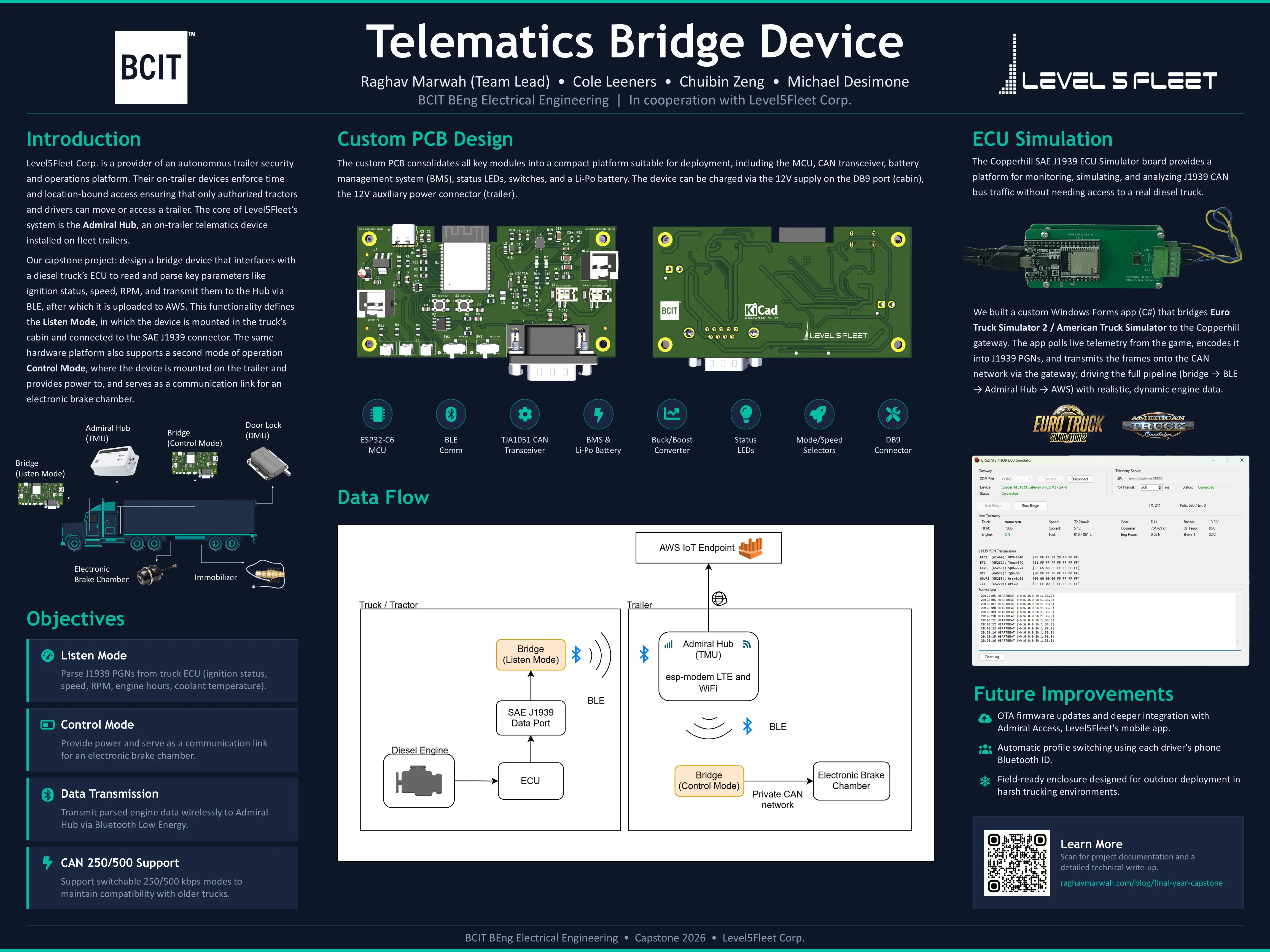
We prepared a project poster to summarize our work in a clear and visually engaging format. The poster served as a high-level overview of the system, highlighting the problem statement, overall architecture, key hardware and software components, and the two operational modes of the device. It was designed to quickly communicate the core idea of the project to visitors, most of whom were seeing it for the first time. Creating the poster also helped us distill months of work into a concise narrative, which made it easier to explain and present the project during the expo.
The Expo Day
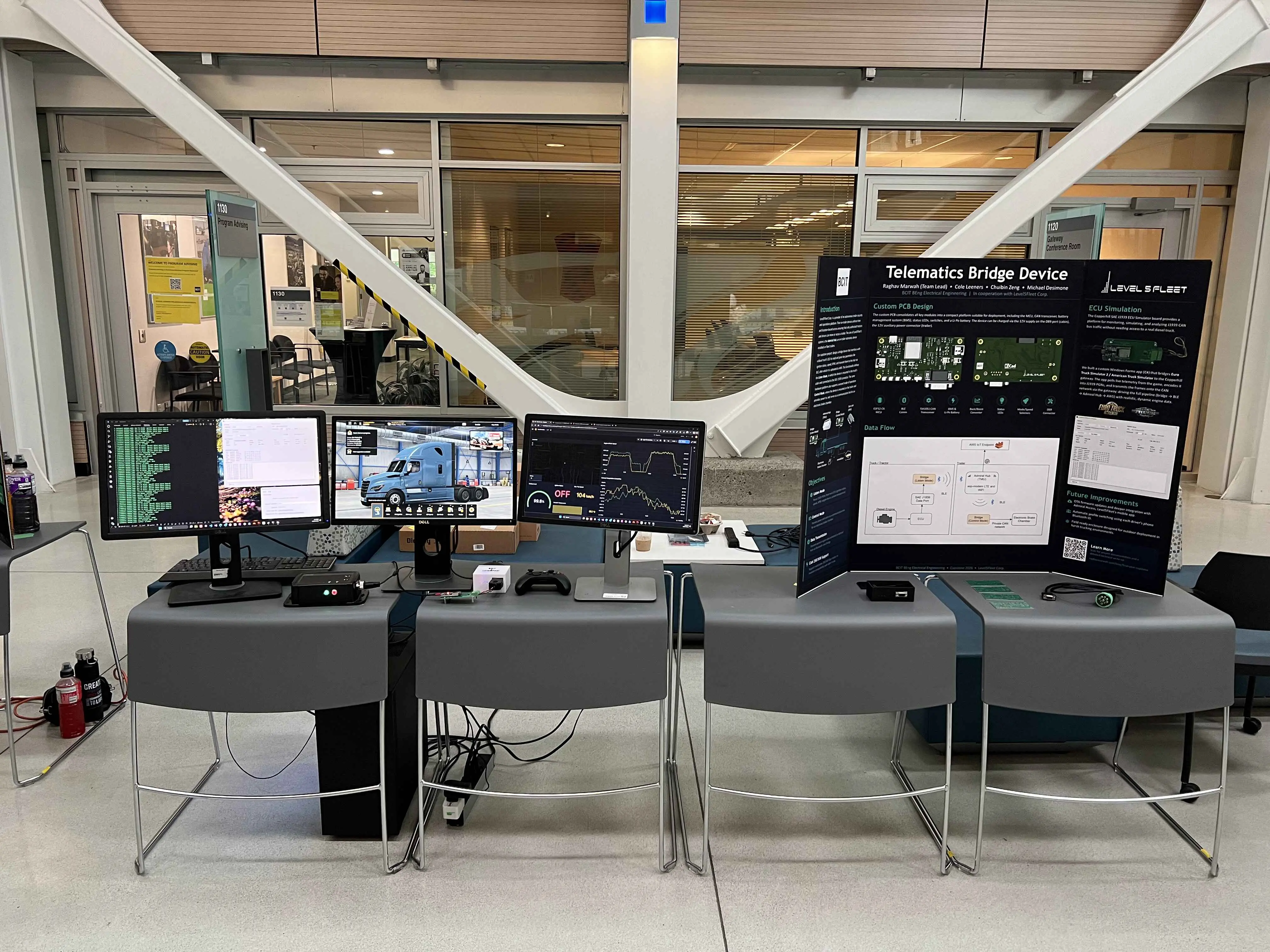
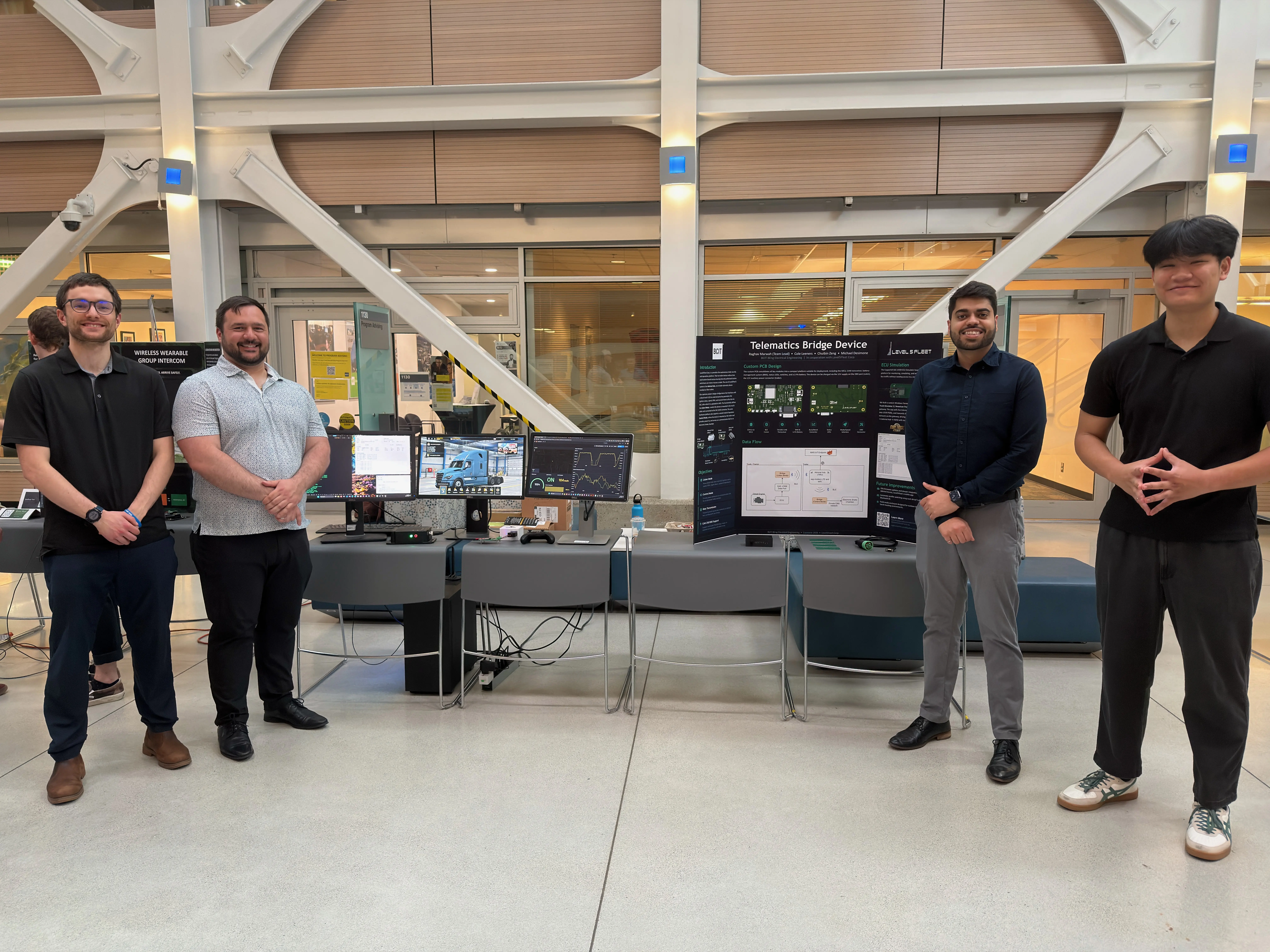
The Engineering Expo was the final milestone of our capstone project, where months of design, development, and testing came together in a single day. Throughout the day, we demonstrated the system to visitors, faculty, and industry professionals, explaining both the technical architecture and the design decisions behind it. Fortunately, the system held up well under continuous use, consistently streaming data and updating the dashboard in real time.
Conclusion
I want to express my gratitude to everyone who contributed to this project. A sincere thank you to Level5Fleet Corp. for sponsoring the capstone and providing us with a real-world problem to work on, and to our instructors at BCIT for their guidance and feedback throughout the process. I am also grateful to my teammates for their collaboration, and countless hours of work that went into making this project a success. This experience would not have been possible without the support and effort of everyone involved.
There are still several areas where the system could be improved in future iterations. One key enhancement would be automatic profile switching using each driver’s phone Bluetooth ID, allowing the device to seamlessly identify and adapt to different users. Another important improvement would be enabling OTA firmware updates, along with deeper integration into Admiral Access, Level5Fleet’s mobile application ecosystem.
Hopefully, this project can serve as a solid foundation for future capstone teams to continue refining and expanding the system over the coming years, with the long-term goal of helping bring it closer to a production-ready solution.